

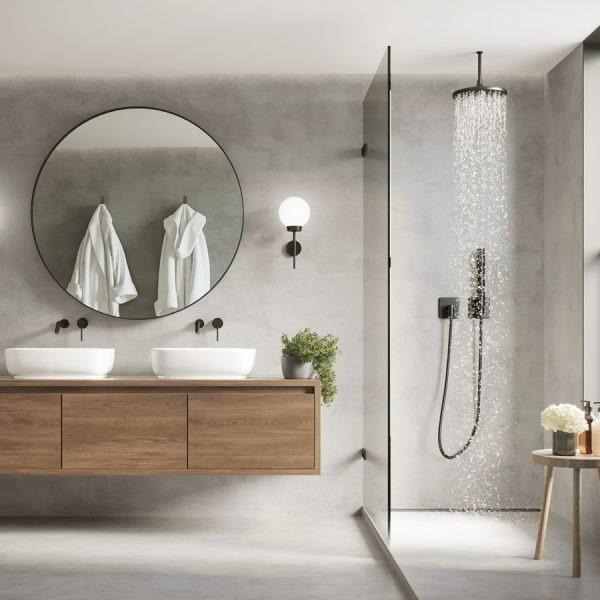
Bathroom renovations are often approached as an opportunity to follow the latest interior trend. A new colour palette appears online, a particular tile becomes popular, or a luxury fitting suddenly seems to be everywhere. But there is a problem with designing a bathroom entirely around trends: fashions change much faster than bathrooms do.
A better approach is to create a room that feels personal, works effortlessly and can continue looking attractive long after the latest design craze has disappeared.
That requires a different way of thinking. Instead of asking which bathroom style is currently fashionable, homeowners can ask what they will genuinely appreciate every morning and evening.
Experienced Bathroom installers can help turn those priorities into a practical design, balancing appearance, comfort, space and long-term usability.
A Bathroom Should Be Designed for the Future
When investing in a new bathroom, it makes sense to think beyond the immediate renovation.
The room may be used differently over the years. Children may grow up, family routines may change and priorities can shift. A bathroom that looks beautiful but provides little storage or awkward access may eventually become frustrating.
Good planning considers both today’s requirements and tomorrow’s possibilities.
That does not mean predicting exactly what life will look like in ten years. It simply means avoiding design decisions that unnecessarily limit the room.
For example, generous storage, comfortable access and sensible fixture positioning can remain useful regardless of changing interior trends.
Function Should Lead the Design
A bathroom is an interesting room because nearly everything in it has a practical purpose.
The shower is there to be used. The basin needs to be accessible. Storage needs to hold everyday items. Lighting needs to provide sufficient visibility.
This means design should begin with functionality.
Identify Everyday Frustrations
Before planning a new bathroom, make a note of the things that currently annoy you.
Perhaps towels are always in the way. Maybe the shower has inadequate space. Perhaps there is nowhere convenient to store toiletries or the basin area becomes cluttered.
These small frustrations can become the foundation of the new design.
Rather than simply replacing old fittings with newer versions, the renovation can address the reasons the existing room no longer works.
Why Bespoke Design Can Be Worth Considering
Not every home has a perfectly shaped bathroom.
There may be narrow sections, unusual corners, windows, sloping ceilings or existing structural features that make standard layouts less effective.
This is where bespoke planning becomes valuable.
Fitted Bathrooms can be designed around the characteristics of the room, allowing furniture and storage to be positioned according to the available space.
Instead of asking, “Where can this standard cabinet fit?”, the design can ask, “What type of cabinet would make the best use of this area?”
That small change in thinking can produce a much more personalised result.
The Importance of Proportion
A bathroom does not need enormous fixtures to appear luxurious.
In fact, choosing products that are too large for the room can have the opposite effect.
A substantial freestanding bath might look impressive in a large master suite but dominate a compact bathroom. Similarly, oversized furniture can reduce useful movement around the room.
Proportion is therefore just as important as style.
Professional designers and Bathroom installers can consider the relationship between fixtures, available floor area and circulation space before products are selected.
The result should feel balanced rather than crowded.
Storage Is One of the Most Valuable Luxuries
Luxury is often associated with expensive materials, but in everyday life, convenience can be just as valuable.
A bathroom with well-planned storage can feel considerably more relaxing because everyday items have a proper place.
Integrated cupboards can hide toiletries and cleaning products. Vanity drawers can keep smaller essentials organised. Recessed shelving can make use of otherwise unused wall space.
This is particularly important in family bathrooms, where the amount of equipment required can quickly increase.
The best storage is often the storage you barely notice.
Materials Should Age Gracefully
Choosing bathroom materials involves more than deciding what looks attractive today.
Ask how the material will look after years of exposure to moisture, cleaning and daily use.
Neutral foundations can provide longevity, while personality can be introduced through accessories, artwork, mirrors, textiles or smaller decorative details.
This does not mean every bathroom should be plain.
A homeowner who loves bold colours or dramatic tiles can absolutely include them. The key is to make sure the major design decisions genuinely reflect personal taste rather than being selected solely because they happen to be fashionable.
Contemporary or Traditional? Both Can Work
There is no universally correct bathroom style.
Contemporary Simplicity
Modern bathrooms often focus on clean lines, smooth surfaces and minimal visual clutter.
Walk-in showers, floating furniture and concealed storage can create a sophisticated environment with a strong sense of order.
Traditional Character
Classic sanitaryware, heritage-inspired brassware, decorative finishes and warmer colours can give a bathroom a timeless personality.
This style may be particularly appropriate for homes with traditional architectural features.
Personal Combinations
Some of the most interesting bathrooms combine elements from different design periods.
A classic vanity could work with contemporary lighting. Traditional brassware could sit alongside modern wall finishes. A freestanding bath could become the focal point within an otherwise minimalist room.
The goal is not to follow a category perfectly. It is to create a combination that feels right for the home.
Small Features Can Transform the Experience
A bathroom renovation does not need to be filled with complicated technology to feel special.
Consider heated flooring.
It can make a simple morning routine more comfortable during colder months.
Think about an illuminated mirror.
It can provide useful task lighting while contributing to the overall appearance of the room.
A rainfall shower can make everyday bathing feel more indulgent, while carefully positioned storage can remove the frustration of constantly searching for toiletries.
These improvements may appear modest, but they can have a noticeable effect because they are experienced repeatedly.
Lighting Should Adapt to Different Moments
A bathroom may serve several purposes throughout the day.
In the morning, bright and practical illumination can help with grooming and preparation.
In the evening, softer lighting can create a more relaxed atmosphere.
Instead of treating lighting as an afterthought, it can be incorporated into the original bathroom design.
Mirrors, ceiling lights, wall lighting and illuminated features can all contribute to a layered environment.
This is particularly useful when creating a spa-inspired bathroom, where atmosphere matters as much as functionality.
Why Installation Quality Protects the Design
Even an excellent design can be undermined by poor workmanship.
Tiles need to be accurately positioned. Furniture needs to be securely installed. Plumbing connections need to be properly completed. Lighting and electrical elements require appropriate installation.
These details may not be obvious when viewing a bathroom in a showroom, but they become apparent over time.
Experienced Bathroom installers understand how the different components need to come together to produce a finished result that is both attractive and dependable.
A professional installation is therefore not merely the final stage of the project. It is what allows the design to perform as intended.
Think About Maintenance Before You Commit
A beautiful bathroom that requires excessive maintenance can become a source of frustration.
When selecting finishes, consider how easy they will be to clean and maintain.
Open shelving may look attractive but can collect dust and moisture. Highly detailed surfaces may require more attention than simpler alternatives. Certain finishes may show water marks more readily than others.
There is nothing wrong with choosing a high-maintenance material if you love it and are prepared for the upkeep.
The important thing is making that choice consciously.
Visit a Showroom Before Making Major Decisions
Online inspiration is useful, but photographs cannot always communicate scale, texture and finish accurately.
A showroom gives homeowners an opportunity to see different combinations in a physical setting.
You can compare furniture proportions, examine surfaces closely and get a better understanding of how colours appear under real lighting.
It can also help reveal preferences you may not have considered before.
Sometimes a homeowner arrives with a clear idea of what they want and discovers that another style works better once they see it in person.
Professional bathroom designers can also use visual planning and 3D design technology to help translate those ideas into a realistic proposal.
A Good Renovation Should Reduce Daily Friction
The most successful bathroom transformations are often not the ones that generate the biggest reaction from visitors.
They are the ones that quietly make everyday life easier.
A drawer opens exactly where you need it.
A towel is within easy reach.
The shower has enough room.
The mirror provides the right lighting.
Cleaning products are hidden away.
The floor feels comfortable underfoot.
None of these features necessarily sounds revolutionary on its own. Together, however, they create a room that feels effortless.
That is an important measure of successful design.
Benefits of Taking a Long-Term Approach
Thinking beyond current trends can provide several advantages:
Lasting Style
A balanced design is less likely to feel outdated when a particular trend disappears.
Better Functionality
The layout is based on real household needs rather than appearance alone.
Improved Organisation
Purposeful storage reduces clutter and makes everyday routines easier.
Greater Comfort
Features can be selected according to how the bathroom will actually be used.
Better Value From the Renovation
Thoughtful planning can help avoid expensive changes caused by poor layouts or unsuitable products.
Personal Character
The finished room reflects the homeowner’s preferences instead of looking like an exact copy of a showroom display.
Choosing Bathroom Installers With the Bigger Picture in Mind
When comparing installation companies, homeowners should look beyond the initial quotation.
Consider the company’s experience, design capabilities, range of services and previous work.
It is worth asking how the team approaches planning, whether plumbing, tiling, electrical work and other elements can be coordinated, and how design decisions are handled before installation begins.
A company that takes time to understand the homeowner’s priorities is more likely to produce a bathroom that works as a complete space.
Conclusion
The best bathroom is rarely the one that follows every trend.
It is the one that continues to make sense after the novelty has disappeared.
By starting with everyday needs, considering the proportions of the room, planning practical storage, choosing durable materials and investing in skilled installation, homeowners can create a space that remains comfortable and attractive for years.
Professional Bathroom installers can help connect these individual decisions, from the initial design concept through plumbing, tiling, lighting, furniture and final finishing.
For homeowners considering Fitted Bathrooms, the opportunity is even greater: the room can be shaped around the property, the lifestyle and the people who use it.
A truly successful bathroom renovation does not simply make a room look new. It makes the room work better—and that is the kind of improvement that remains valuable long after the latest bathroom trend has passed.
