

In the past several years the entertainment ecosystem has undergone a dramatic change and ongoing advances in technology are continuing to reshape how people access and enjoy digital entertainment and have transformed in ways that we never would have imagined less than a decade ago.
Modern users expect platforms with fast loading pages, interfaces that are intuitive, and seamless experiences across any type of device that they are using. Interfaces that are intuitive, are easily accessible to users with diverse skills and abilities has made digital entertainment more widely available to an increased number of users and is democratising and transforming how users connect and interact with different forms of entertainment ranging from social media to playing at an online casino platform.
Innovation Across Entertainment
The online entertainment sector is driven through the use of cutting edge technologies and innovative ideas and different entertainment sectors are using technology to help create more engaging and accessible digital experiences to audiences:
Streaming services are expanding to offer exclusive content to their customers such as Sports and interactive content. Their innovative approach to content provision is being driven through the increased use of emerging technologies such as AI to better understand their customers by analysing big data sets to better understand the preferences and expectations of their customers.
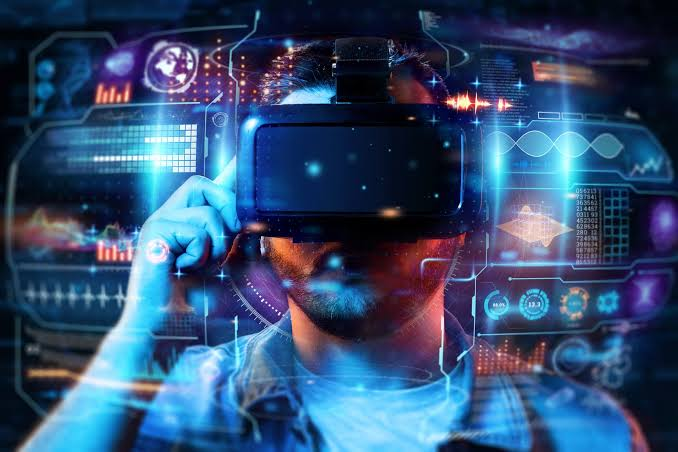
These innovative tools enable streaming platforms to offer hyper personalised content recommendations that can be adapted with the use of real time analytics providing customers with content that adapts to their behaviours and actions creating experiences that are deeply immersive by also using XR (extended reality), spatial computing, and 180 degree video for content such as sports events and concerts
Mobile applications are making access to all forms of entertainment through the use of intelligent software, advanced hardware, and high speed networks such as 5G to create an entertainment ecosystem that is flexible, and instantly accessible regardless of geographical location. The days of location bound access are long gone which means that audiences can access entertainment when and where they choose making it more flexible worldwide.
Gaming platforms are shifting to cloud gaming infrastructures that provide instant access to content without the need for downloads or expensive hardware which has lowered the entry level barriers democratising access and enabling a larger demographic of users.
Cross device gaming means there are no longer access restrictions tied to certain devices such as a gaming console or computer, rather games are adapted to work on most devices. This is especially beneficial in multiplayer gaming platforms which has led to their increased growth.
Leading online casinos such as Lucky Spins are transforming static gaming experiences into deeply immersive personalised experiences that simulate traditional bricks and mortar experiences that are delivered directly to gamers on smartphones or other devices. AI, VR, and AR are now used to offer hyper personalised adaptive experiences that are a blend of physical and virtual elements that provide gamers with unique deeply immersive experiences where they can actively participate in narratives, storylines, and real time interactions in the case of live dealer casino games which made passive viewing obsolete.
Content is now delivered using cloud gaming that provides exceptional graphics, sound, and animations even on smartphone screens and the creation of mobile applications is being prioritised before traditional platforms to meet the ever increasing number of mobile first users.
Key Technologies Behind the Shift
Artificial intelligence has quietly moved from the background and become an integral feature of digital entertainment platforms that is impacting the entertainment sector by redefining how content is produced and consumed through the use of personalisation that is creating dynamic content and unique user centric experiences that feel meaningful and authentic.
Cloud computing has removed the need for costly external hardware and downloads which means that audiences can immediately access entertainment through website browsers and apps. Even owners of entry level devices can enjoy high quality graphics, fluid interactions, and cinematic quality animations. Cloud based infrastructures are designed to adapt to traffic levels which means that the user experience is reliable and free of interruptions.
Mobile-first development prioritises the importance of smartphones as the first point of connection. Cross-platform compatibility is removing barriers that in the past meant that certain types of content could only be delivered through specialised devices such as TV’s or gaming consoles. Now users can access entertainment on any device, at any time, and anywhere which is leading to a massive increase in user demand and making entertainment accessible even in the most remote villages in developing countries.
Enhanced security and performance are key for the success of any entertainment platform and are even more important than the variety of entertainment. Modern consumers are becoming more tech savvy and are increasingly vigilant about the risks that cybercriminals pose. One of the criteria that influences platform choice is the security measures that are in place. Consumers want the assurance that their personal details and financial transactions are protected.
Leading platforms use TLS encryption, robust firewalls, and adhere to the data protection laws of the country that they operate in as standard. Consumers want to access platforms instantly and platforms must ensure that operation systems are updated regularly and that the infrastructure is capable of accommodating rises and troughs in traffic without any loss in platform performance.
Why User Experience Matters
One of the core building blocks of user satisfaction is the user experience. Modern users not only expect interesting entertainment, they now also value how they feel and value the experience as much as the content that they interact with. Speed and ease of navigation is key to creating seamless interactions that adapt to user expectations and preferences. Modern day users engage in fragmented bursts of entertainment due shortened attention spans and hectic daily schedules. As a result individuals jump across different devices throughout the day and they expect reliable performance and consistent quality across devices.
Another key element that creates excellent user experiences is the provision of personalised recommendations and engaging interfaces where audiences can actively participate and influence the outcome of the storyline, online forum, live stream, or game that they are interacting with.
In short, the user experience is key to the future of digital entertainment, and platforms that understand, prioritise, and adapt to the ever increasing demands of their customers by providing user experiences that are meaningful, authentic, and require little or no effort will set the standard of digital entertainment in the future.
Conclusion
The future of digital entertainment will continue to be shaped by innovation, usability and technologies that prioritise the user experience. AI and data driven personalisation are key to this continued evolution enable entertainment platforms to analyse and understand user behaviours to deliver content that is highly personalised with recommendations of tailored content that optimises the performance of platforms which translated in exceptional user experiences by offer cross platform accessibility and interactive immersive experiences that are powered by VR and AR and instantly accessible on mobile devices.
In the future entertainment platforms will no longer offer singular experiences such as music or gaming, rather they will be entertainment hubs where individuals can connect, socialise, collaborate, and interact with any form of entertainment that they desire all in one location.
