

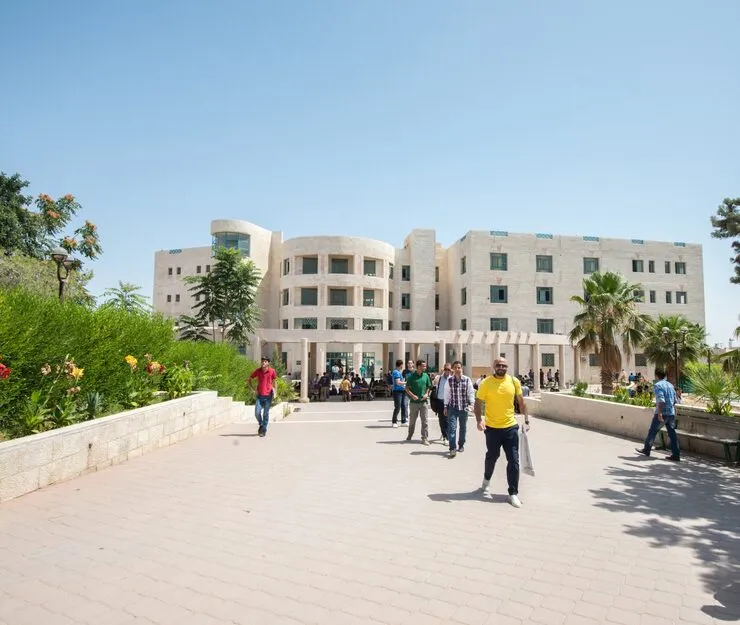
A school can begin as a place on a map. A building. A parking lot. A few classrooms. Then something changes. Children start laughing in hallways. Parents begin recognising familiar faces during morning drop off. Teachers take favor stories and minor accomplishments. The College becomes more of a gathering place for the community in the long run. They cope with feelings. Children learn best when they are related to those around them. Learning becomes warmer somehow. Safer too. Strong communities create roots and children who have roots often grow with surprising confidence.
Shared Moments Shape Belonging
Belonging is difficult to measure yet children recognise it immediately. They know when they are valued. Families searching for a Community-Centered School Las Vegas often want more than academics alone. They hope for relationships. Real ones. In connected schools’ students celebrate successes together and support one another during difficult moments. Simple traditions help. A classroom celebration. A shared project. Even daily conversations matter. Gradually, the children begin to see themselves as crucial participants in a larger organisation. This experience of ownership encourages participation and makes students feel comfortable expressing ideas without worrying about being judged.
Neighbour Stories Spark Learning
Some lessons become memorable because they connect with real life. Children naturally pay attention when learning feels personal. Community-based activities make this possible. Students may explore local traditions visit nearby landmarks or speak with community members. Suddenly history and culture feel alive rather than distant. Curiosity grows. Questions appear everywhere. Children begin noticing connections between classroom lessons and experiences beyond school walls. These discoveries foster a citizen team spirit and deepen expertise. Young recruits understand that they can be a part of something bigger than themselves, and that face-to-face interaction inspires a more effective experience of accountability.
Different Cultures Build Bridges
Children are wonderfully curious about people. They ask direct questions that adults sometimes avoid. Schools that celebrate diversity transform that curiosity into understanding. Families interested in a Cross-Cultural Learning School often value environments where non-traditional practices, languages, and learning are unabashedly welcomed. Students stumble upon their unique perspective factors and learn to recognise differences. Sometimes cultural is about introducing you to amazing food. Sometimes memories open up whole new worlds. These reports add to the thinking. More importantly, they inspire compassion. Children explore that diversity enriches communities and that getting to know others is an important lifestyle skill.
Families Weave Strong Networks
Parents influence educational experiences in countless ways. Their involvement extends far beyond helping with homework. Strong school communities invite families into the learning journey through events discussions and shared activities. Children notice this participation immediately. Seeing parents and educators communicate regularly provides reassurance. It tells children that everyone is working together. Relationships among families strengthen as well. Conversations during school events often turn strangers into friends. These connections create supportive networks that benefit children enormously. A connected community offers encouragement guidance and a comforting sense that nobody navigates childhood alone.
Acts Of Kindness Multiply
Kindness behaves in interesting ways. One thoughtful action often inspires another. Children witness this constantly. A classmate shares supplies. Someone offers help during a difficult assignment. Another child includes a new student during play. Small moments accumulate. Gradually they shape school culture. Community-centred colleges intentionally motivate one’s behaviour because they understand their long-term costs. Children who practice a lot of kindness often develop social skills and deeper empathy. They additionally promote more positive learning environments. Classrooms grounded in respect feel different. They feel welcoming. Children sense that difference immediately.
Learning Extends Beyond Walls
Education does not end when students leave the classroom. In many ways it continues everywhere. Community partnerships experiences and service projects expose children to ideas that textbooks alone cannot provide. A local garden may inspire scientific curiosity. A neighbourhood event might spark interest in history or culture. These experiences help students understand that learning exists beyond traditional settings. Children begin exploring independently because curiosity has become part of their identity. That is powerful. Students who view the world as a place filled with opportunities to learn often carry that mindset throughout life.
Conclusion
Strong teaching sets stimulate much more than academic performance. They build relationships, inspire empathy, and help young people enjoy sustainability beautifully. Students flourish when they have experienced connection with their people, teachers and the wider network around them. Families interested in an educational environment rooted in collaboration and play-sharing can visit ncaus.education to find programs designed to foster meaningful networking and inspire curiosity.
