

Rummy has always rewarded the player who thinks one move ahead, and on Rummy888 that habit matters more than ever. Every hand is a small puzzle: thirteen cards, a ticking clock, and opponents watching your discards as closely as you watch theirs. Winning consistently is rarely about luck alone. It comes from building clean sequences early, discarding with intent, and knowing when patience beats aggression. Whether you are new to the game or returning after a break, the strategies in this guide will help you make sharper decisions, cut costly mistakes, and win more games.
Master the Basics First
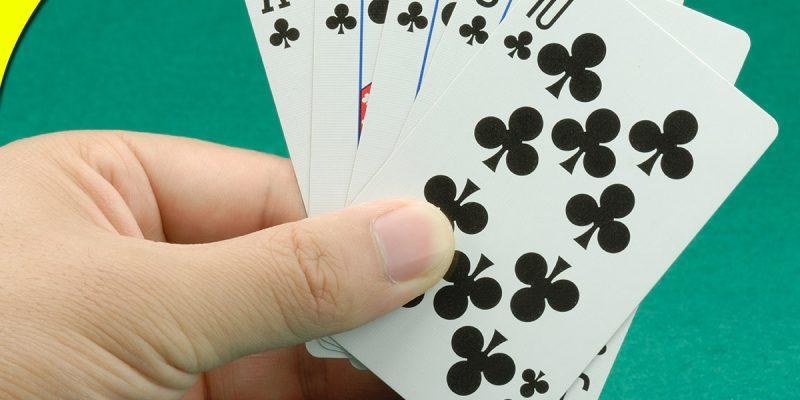
Before you try clever bluffs or complex combinations, make sure the fundamentals are automatic. In most rummy formats, your goal is to arrange all your cards into valid sequences and sets, with at least one pure sequence — three or more consecutive cards of the same suit made without a joker. A pure sequence is your safety net: without it, even a strong hand can score nothing at the showdown. Sort by suit, look for natural runs, and keep jokers free for the hardest combinations. Players who skip this step often hold impressive-looking cards that count for nothing at the showdown.
Build Your Pure Sequence First
Your opening moves should have one priority: secure a pure sequence as quickly as possible. Scan your opening hand for two or three cards of the same suit that sit close together, such as a seven, eight and nine. If you hold two cards that need only one more to complete a run, keep them and build around them. Draw from the open pile only when the card completes or extends a sequence; otherwise, take from the closed deck so your opponents learn nothing about your hand. One completed pure sequence early frees your jokers, lowers your risk if an opponent declares suddenly, and gives every later decision a solid base.
Organise Your Hand
Good players sort their cards the moment they are dealt, and they keep sorting after every draw and discard. Group your cards by suit, place your sequences together, and push unconnected high-value cards to one end of your hand where you can see them clearly. This stops you from missing a sequence already sitting in your hand, and it makes your discards faster and more confident, which matters when the timer is running. A tidy hand helps you spot the winning move before your opponents do.
Discard Smart
Every card you discard is a clue, so treat discarding as a decision, not a chore. The golden rule is simple: get rid of high-value cards that do not fit a sequence or set, especially kings, queens, aces and tens, because they carry the heaviest penalty if an opponent declares. Do it early, while the cost of revealing your plans is still low. Also avoid discarding a card next to one your opponent just picked up, since you may be feeding their sequence. Smart discards protect your score and starve your opponents.
Read the Discard Pile and Your Opponents
The discard pile is the most honest source of information at the table, and strong players study it every turn. If an opponent picks up a seven of hearts, they are probably building around hearts, so holding on to the six or eight of hearts becomes a useful block. A card untouched in the open pile for several rounds is safe to mirror in your own discards. Also notice what your opponents throw away: a player discarding low cards early is usually chasing high sequences, while one shedding high cards is protecting a nearly complete hand. Over a full game, the player who reads the table usually beats the player who only reads their own hand.
Bluff Sparingly
Bluffing in rummy is subtler than in poker, but it still has a place. Holding a card a turn or two before discarding it can make opponents think you need it. Picking from the open pile when you do not strictly need the card can suggest a combination you are not actually building. Use these moves sparingly, though. Every bluff costs you a turn, and a bluff that gives away a genuinely useful card can backfire badly. The best bluffs are cheap: a single discard, a single pickup, nothing more. Bluff every hand and observant opponents will stop believing you.
Know When to Drop and When to Push
Knowing when to leave a bad hand is one of the most profitable skills in rummy. If your opening cards are scattered, with no pure sequence in sight and several high-value cards that refuse to connect, consider dropping early. An early drop costs far fewer points than a late defeat, and it saves your time and focus for a hand you can actually win. When your pure sequence is complete and you are one card away from declaring, play boldly: draw aggressively, discard your dead weight, and do not let a cautious opponent slow you down. Good players judge quickly whether a hand is worth fighting for.
Practice With Purpose
Strategy only becomes instinct through practice, so treat your early games as training, not just entertainment. Play free or low-stakes tables while you learn, and after each game, ask yourself one question: which discard would I change? Reviewing one mistake per game beats ten games on autopilot. Vary your opponents when you can, because different players expose different weaknesses in your game. The more styles you face, the harder your own game becomes to read — and that, more than any single trick, is what turns a casual player into a consistent winner.
Winning more at rummy is not about a secret system; it is about doing the simple things well, hand after hand. Build your pure sequence first, organise your cards, discard with intent, watch your opponents, and know when to walk away. Put these habits together and you will notice the difference within a few sessions: fewer heavy defeats, more clean declarations, and steadier confidence. If you are ready to put these strategies into practice, visit https://rummy888.uk.com/ and take what you have learned into your next game — your smartest hand may be the very next one you play.
